A look into contemporary issues impacting the Philippines.
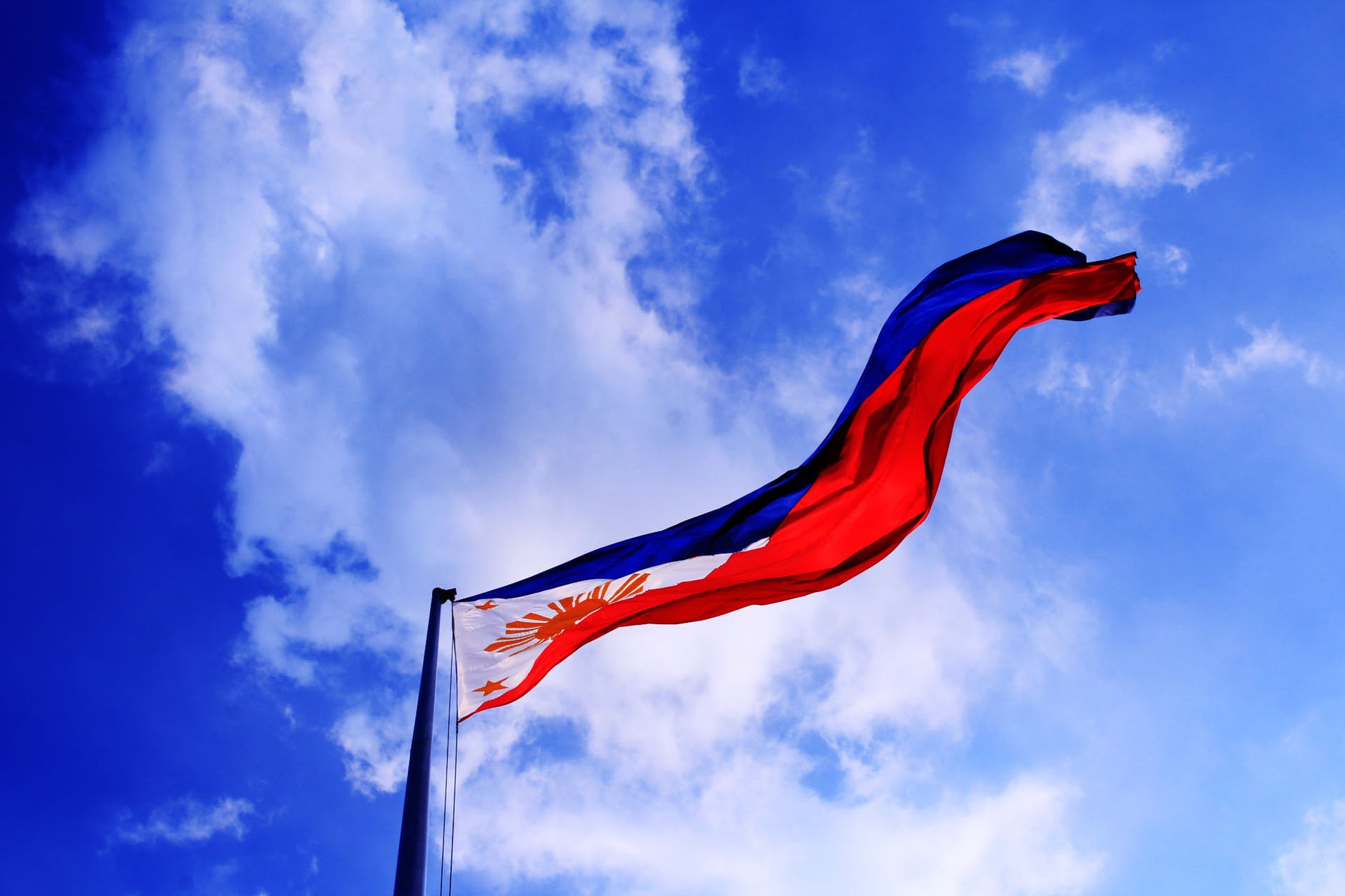
Photo by Krisia Vinzon
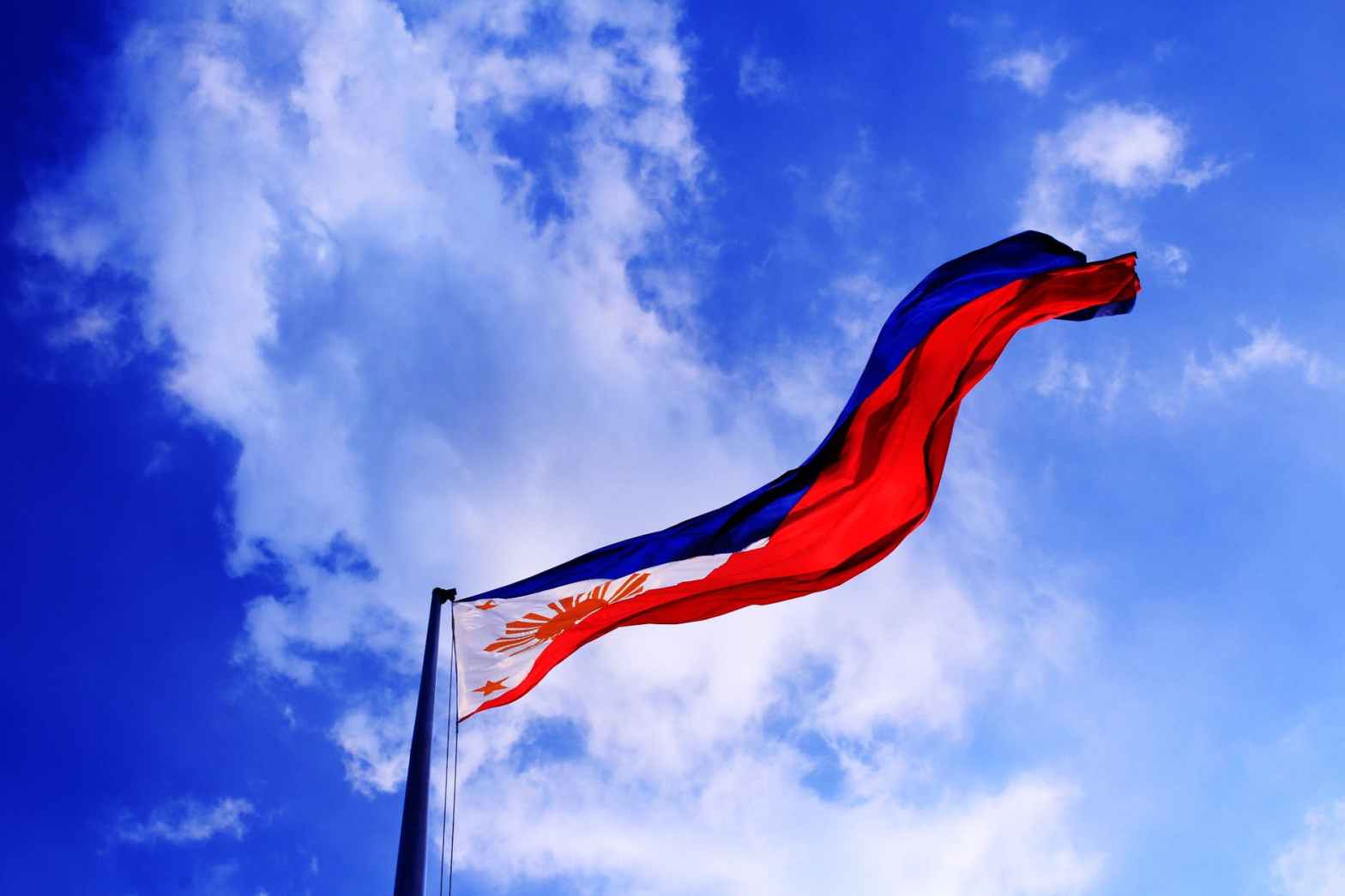
The Philippines has been referred to by its countrymen as “The Child of the Sun.” It appears that a recurring theme amongst countries in this region incorporate the sun into their flags, mottos, and folklore. Whereas Japan is known as the “Land of the Rising Sun” and Korea as the “Land of the Morning Calm,” it lends to the importance of the rise of a “New Day” to the people who live in this region.
The Philippines, in particular, exudes a very optimistic attitude amongst the vast majority of its inhabitants. Many of these “Children of the Sun” endure some of the most impoverished and disadvantaged economies in the region. However, despite dismal standards of living and limited exposure to global opportunities, the People of the Philippines, without fail, continue to persevere in pursuit of their own versions of happiness.
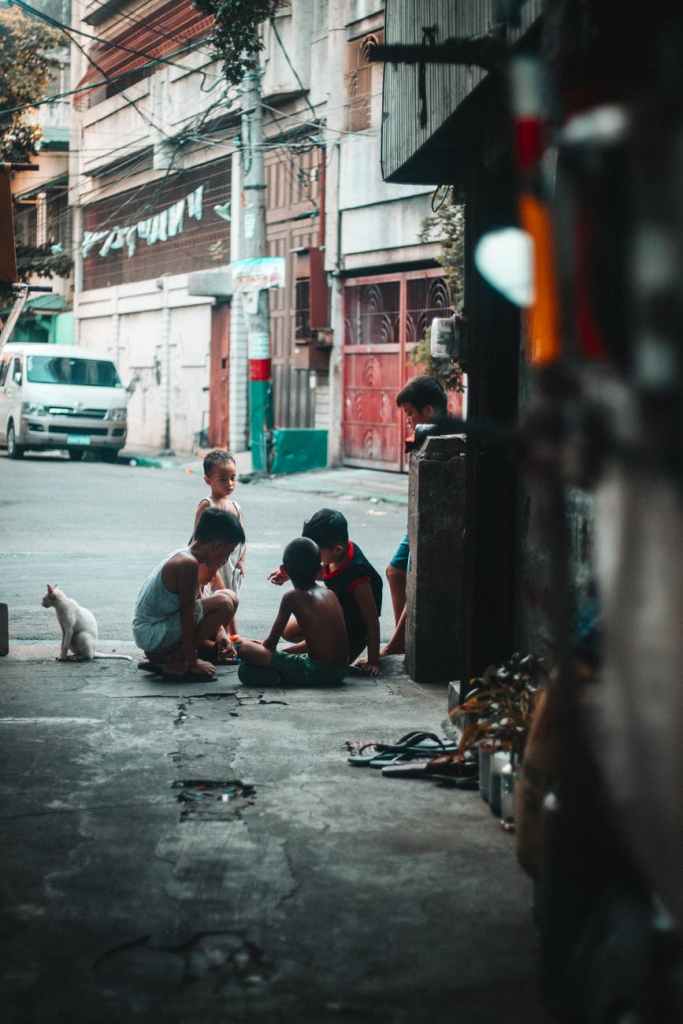
An examination of regional security matters pertaining to the Philippine Archipelago must begin with a socio-economic appraisal and an in depth analysis of the collective cognizance of the republic. Such analysis is a daunting and seemingly impossible task due to a seemingly infinite diversity that spans geography, ethnicity, language, and most obvious – Economics. All of the aforementioned, shape and define a people whose national identity is often and intrinsically called into question.
Analysis of the Human Terrain is likely the most prudent and more fruitful endeavor when identifying the root causes of regional instability. Defining the social landscape of the Philippines, while nearly as impossible as assigning a national identity, is often compartmentalized by region. As such, each region seemingly represents its own independent segment of Philippine society. A very good example of this is evident in the southern most portions of the Archipelago, whose vast majority of inhabitants consider themselves independent of the central government. Contrary to popular belief, this self-perceived autonomy is not exclusive to the “Moro” of the south. Analysis will reveal that this atmospheric exists across the country (in different forms) and is a symptom of systemic problem.
There are three key trans-regional levers of regional security that exist in the Philippines, all of which are tied in some way shape or form to the homogeny (or lack thereof) of members of Philippine society. These levers are: The South China Sea, Radical Islamism, and Anti-Government Movements (notably communist).
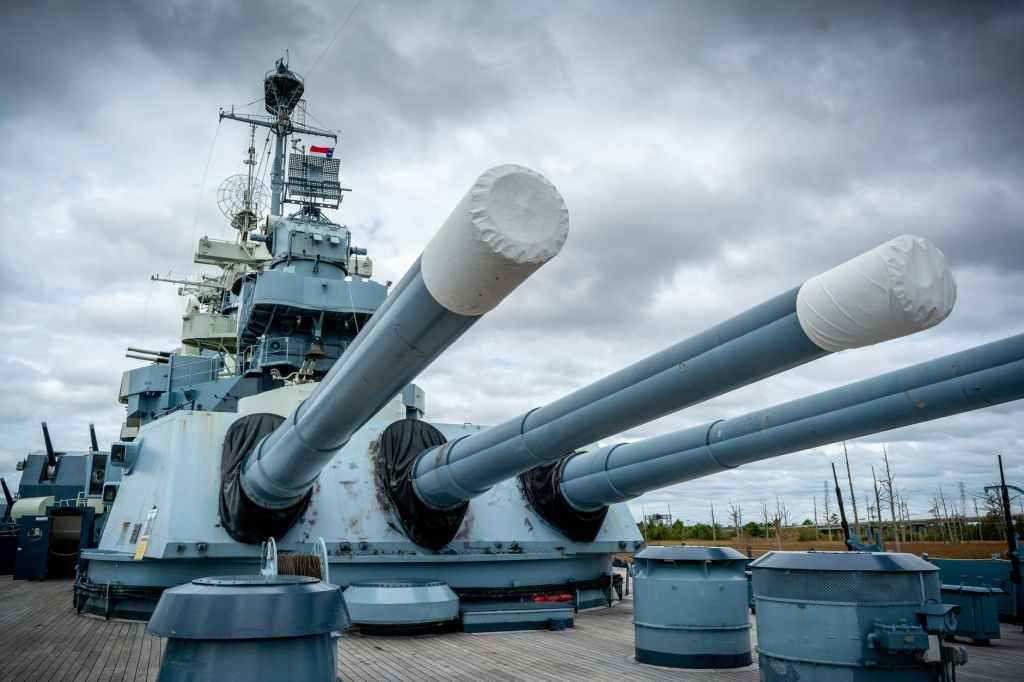
These three security levers are issues that are seemingly unrelated and do not appear to be of any consequence to each other. However, it appears that all three issues occurring within the confines of one country, and are indicative of a country that is in a perpetual state of near crisis.
Countries who typically enjoy a large percentage of a population with a clearly defined national identity often do not experience instances of being on the verge of social collapse. A glaring example a country in crisis is that of American society and its contemporary struggle with public unrest and racial divides. A once prosperous and enigmatically powerful country is now struggling with holding together a very fragile social fabric that, at any moment, can tear and result in an inevitable collapse. Only in a country in this current state, will insurgency and global bullying take place at the hands of interested internal and external actors. The likes of such turmoil is currently being experienced by the United States for the first time in its history.
This Blog does not intend to focus on fixing the region’s problems. Rather, it exists to raise cognizance of the state and condition of the Philippines and identify key indicators that will signal impending instability. This is a measure of predictive analysis that focuses on the aforementioned issues to prepare readers for crisis, and develop mitigation strategies that will ensure safety and minimize disruption to operations.
 Philippines Security Watch