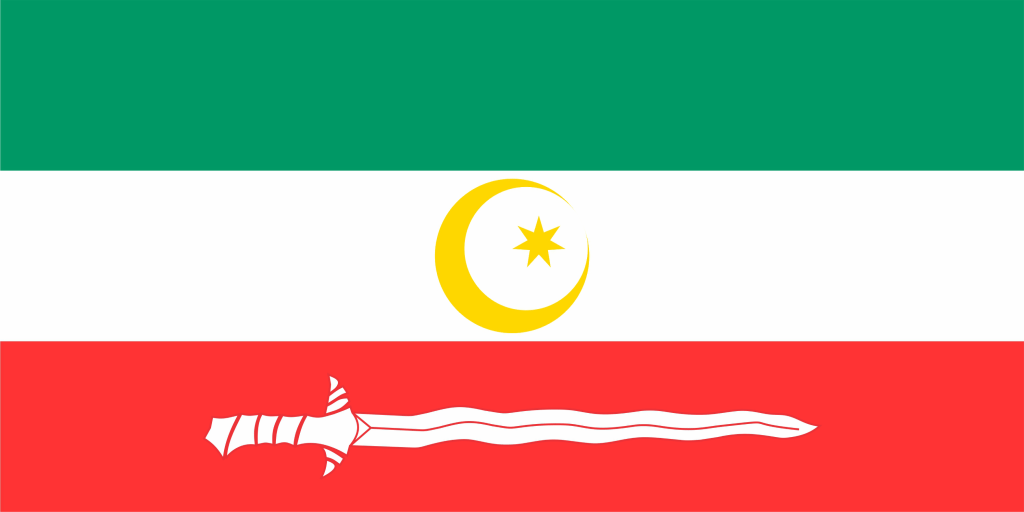
With little more than a year left in the Bangsamoro Transition period, this socio-political experiment appears to require a lot more than what was initially anticipated. Relatively unassuming news articles are popping in and out of the Philippine collective consciousness regarding the fragile state of compromise between the Bangsamoro and Manila.
Its Official: Bangsamoro.gov.ph
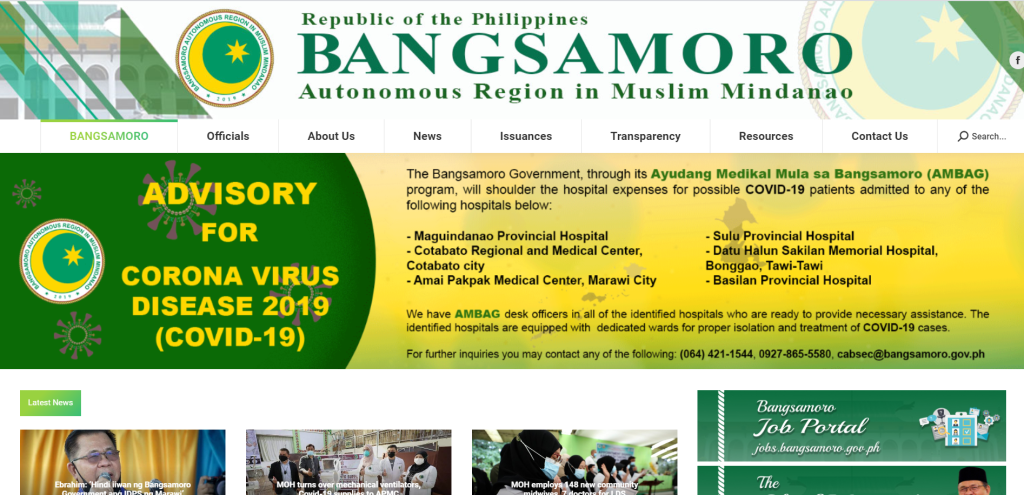
A quick stroll through the Official BARMM website: https://bangsamoro.gov.ph/ will give readers the impression that a legitimate governing body is well on its way. The website is filled with various public service links, modern professional web design, a list of transitional authorities, links to the Bangsamoro Organic Law, etc. The website is complete with a “.gov.ph” suffix, making things all but official.
However, one glaring pop-up seems to demonstrate a growing sentiment of anxiety regarding the upcoming end of the “Transition” period approaching in June of 2022. When navigating through the BARMM website, a pop-up containing a video frequently makes an appearance. The caption in this pop-up appears to serve as a solicitation of support for the extension of the transition period, outlining reasons why more time is needed.
Cracks in the Glass

On May 14, 2021, Benar News reported that Chief Minister Ahod Balawag Ebrahim requested an additional three years (in addition to the three year transition period) to transition into a formal BARMM government. Ebrahim cited difficulty in “controlling” elements of the Bangsamoro Islamic Freedom Fighters (BIFF) and Abu Sayaf.
It appears that parties negotiating on the behalf of the Bangsamoro anticipated wider support from militants than what is currently being demonstrated. BIFF, Abu Sayaf, and the Islamic State continue to conduct attacks against civilians and government forces, proving that an autonomous government “lacks the teeth” required to combat acts of terrorism in Mindanao.
Week after week, government forces are engaging Islamic militants in vicious gunfights resulting in casualties on both sides. Such is hardly a model for an autonomous region approaching “normalcy.”
Manila has remained relatively routine in press responses regarding the attacks. PNP, AFP, and other government spokespersons appear to simply rattle off casualty statistics and government victories over extremism. The Bangsamoro has yet to be held accountable for these incidents, despite being charged with providing security and safety for BARMM constituents.
The patience of Manila is wearing thin, as is evident in harsh warnings issued by President Duterte to BARRM leaders. Duterte declared that if the transitional government is unable to control militant factions in the area, he would conduct large scale military offenses to quell the insurgency.
The Blame Game
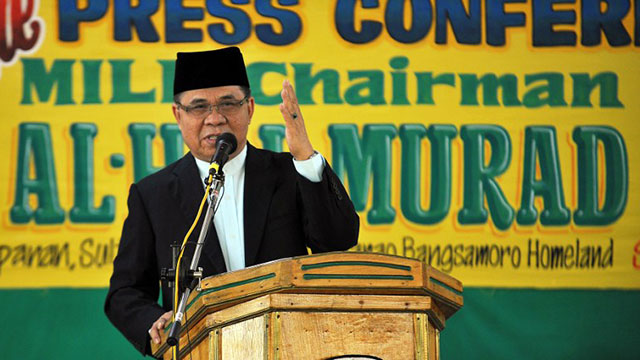
Members of the BARMM government cite Manila’s sluggish fulfilment of promises issued to the Bangsamoro in exchange for their participation in the BARMM experiment. A large portion of these promises targeted fighters with relatively large sums of money, resulting in the turn in of weapons and assurances that hostilities will end. A vast majority of such incentives have yet to be paid.
On the other side of the coin, members of Philippine congress questioned BARMM leaders about the inability to deliver upon reforms aimed at disarming BIFF and other militant groups in the region. This “failure” is very evident with the ongoing skirmishes and clashes occurring within the region.
This blame game ultimately results in a stalemate of sorts, while either side blames breaches of contract for the state of the sluggish transition into Bangsamoro normalcy.
As of late, the BARMM has taken to the airwaves, streets, and to any other medium in an effort to gain public support for an extension that is becoming more and more unlikely. This is perhaps an effort to gain as much public support ahead of a potential dissolution of the relatively young status quo.
With June 30, 2022 just around the corner, it is likely that an extension will be required in order to establish a legitimate seat of government within the BARMM. However, it is unclear if Manila would support such a proposition. From the viewpoint of the National government, many chances were afforded to the Bangsamoro to legitimize their political identity.
However, in light of internal splintering and conflicts of interest, the future of the BARMM has been fraught with seemingly insurmountable obstacles. A pronounced failure in the establishment of an autonomous region will prove a centralized model of government to be the most appropriate for any pursuit of normalcy. Both prospects appear to have the same result, a return to perpetual hostilities in the region.
 Philippines Security Watch