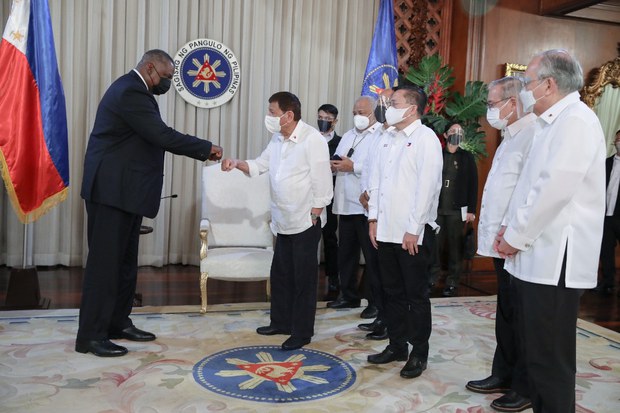
On July 29, 2021, U.S. Defense Secretary Lloyd Austin held meetings with Senior Philippine Officials about geopolitical concerns in the region. Immediately following these talks, Philippine President Rodrigo Duterte issued a statement that effectively retracts a termination of the Visiting Forces Agreement (VFA), which had been in place for the past 70 years.
Old Friends, New Challenges
Austin’s visit to the region comes as tensions over disputed waters in the South China Sea reach a fever pitch. This diplomatic maneuver yielded a huge victory in American efforts to remain relevant in the region. Additionally, the VFA allows for U.S. troops to establish and maintain a strategic footprint, thereby deterring Beijing from provoking a military response by South China Sea claimants.
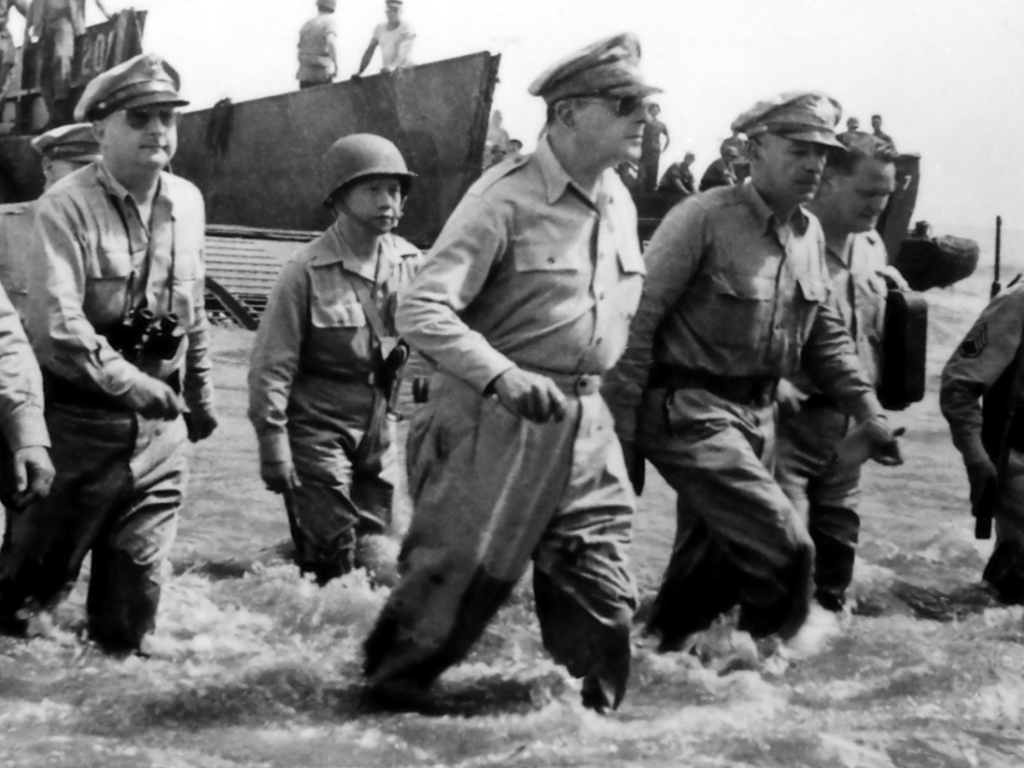
During World War II, Philippines played a key role in U.S. war plans directed towards an invasion of Japan. Military strategists have long maintained the importance of the Philippines during any substantial military campaign in Southeast Asia. As it pertains to the South China Sea dispute, the Philippines serves as a seawall of sorts as the western geographic barrier.
Win, Win, Lose

As such, the Duterte Administration’s initial announcement of plans to terminate the VFA was viewed by Washington as an open door for Beijing to operate in the South China Sea with relative impunity in absence of U.S. forces capable of responding in short order. In contrast, the Philippines can now enjoy the might of the U.S. Navy and Special Operations Forces in the event that Beijing commits an egregious violation of Philippine Sovereignty.
While it is likely that Manila was offered additional resources in the form of U.S. financial assistance, on the surface, it appears that Manila has not forgotten the many sacrifices made by the spilling of American blood on Philippine soil for the benefit of securing Philippine freedom.
Analyst Note: The timing of this development affords some insight into U.S. foreign policy objectives and strategies in response to China. Austin’s Philippine trip was a capstone to what appears to be a diplomatic push to solicit the assistance of ASEAN powerhouses against Chinese political and military posturing. The U.S. understands that approaching Duterte (who is somewhat indifferent, if not supportive of China) cannot be done unilaterally. While the U.S. retains a persistent presence in the region for the better part of the past two centuries, many in the region still view Americans as outsiders. Therefore, it appears that Austin sought the backing of countries like Singapore, Japan, and Indonesia to convince Manila to reconsider ousting the U.S. from Philippine soil.
 Philippines Security Watch