Featured

A Beautiful Disaster: Philippine Society on the Fringe

The latest National statistics reveal a negligible decline in COVID-19 cases within recent weeks despite a series of Nation-wide Lock-downs. History shows us that cracks in civilized society become substantially pronounced in the wake of catastrophe.

Informal Caste Systems

Prior to COVID-19, the distinct differentiation between the “haves” and the “have nots” was an unspoken matter of common knowledge within Philippine society. However, due in whole to the COVID-19 pandemic, the very blatant social privilege that accompanies this informal caste system, has become a pill, harder to swallow by a vast majority of the country’s impoverished population.

As recent as March of 2021, the Asian Development Bank Institute (ADBI) conducted a survey of Philippine households representing a diverse demographic. In this survey, 85% of Philippine households experienced a decline in income as a direct result of COVID-19 restrictions. Survey respondents consequentially reports this decline in income has resulted in financial difficulty to the extent they are not able to cover living expenses beyond one month. Coincidentally, ADBI reported in 2014 in a working paper highlighting income inequality in the Philippines, that of the country’s population, 20% earn approximately 56% of the domestic revenue.

The crisis impacting the average Filipino household will substantially increase the gap in income inequality in the Philippines, it really boils down to basic mathematics. With the country’s 85% facing economic hardship, the remaining 15%(presumably wealthiest) will retain its wealth.

Vectors of Income Exclusive to the “Working Class”

The vast majority of the Philippine “Working Class” draw upon one of three of the following vectors of income:

  • Service/Hospitality Industry
  • Overseas Foreign Work (OFW) and Foreign Remittances
  • Informal Employment (No work, No Pay)

COVID-19 has significantly impacted, if not all by destroyed all three aforementioned vectors of income, thereby rendering approximately 85% of the population unable to earn basic income.

  • Stringent travel restrictions set in place, in an exercise in scientifically baseless logic, has decimated the hotel and tourism industry. As such, the demand for associated services (i.e. restaurants, taxi, and concierge) has plummeted, taking this revenue source with it.
  • Similar situations in consumer countries along with a targeted government recall has forced a vast majority of Overseas Foreign Workers to return to the Philippines, effectively eliminating this vector of income.
  • And finally, Community Quarantines and provincial border restrictions have prevented employees from commuting into the National Capitol Region. Industries operating in the financial center of Manila draw upon skilled and unskilled labor sourced by neighboring provinces.

What do all of these vectors of income have in common and how is it relevant to the wealthiest class of Philippine citizens? The answer is easy: The wealthiest Filipino households do not draw from these income streams.

Vectors of income for the wealthy include: Entertainment, Investment Banking, Politics, and import/export. All of the aforementioned have weathered the COVID-19 storm and have earned handsomely. In some cases, these sectors have broken revenue records. While some sectors are not mentioned, cursory analysis will reveal relatively similar observations.

“Traditional distractions are no longer effective”

Image Courtesy of gizmomanila.com and GMA Network

The Philippine entertainment industry has focused heavily on influencing the population into thinking that success and prosperity are within reach. The Nationally Broadcasted “Wowowin” has been a staple in many Filipino households. Host “Kuya” Willie Revillame (an industry conglomerate in his own right) has appealed to the masses with gameshows providing an opportunity to “win big” in outlandish and childish contests of both skill (but mostly) luck.

An objective look at this demonstration will reveal a vulnerable segment of the population, who appear to stop at nothing to win (in most cases the equivalent of $40 US). This is usually accomplished at the expense of personal dignity but by the benevolence of “Kuya Willie” who has so graciously provided this “opportunity” to the disadvantaged. In this example, a “Have” is worshiped as a provider, and a purveyor of dreams. It certainly makes for good tv.

HOWEVER, it appears that with the dawn of social media, and its relative widespread availability to even the poorest of Filipinos, the grip of the entertainment industry appears to be weakening. The result of the aforementioned, are concentrated groups of intellectuals who are educated, emboldened, and empowered by their peers. This growing generational segment of Filipino society is no longer susceptible to the social psychology of (rudimentary) marketing tactics of the Philippine entertainment industry.

What Lies Beneath…

Photo by Vojtech Okenka

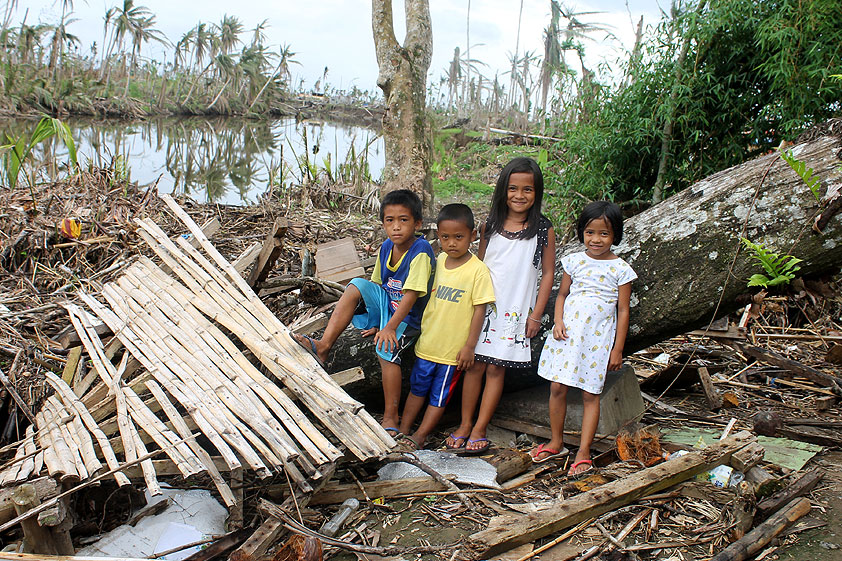
The COVID-19 has taken what has been ignored by the masses for the past 40 years and placed it front and center within the collective consciousness of Philippine society. The aforementioned disparity between the “Haves” and the “Have Nots,” the “Pillaged” and the “Desperate” is nearing the line in the sand whereby the Social framework can no longer maintain a status quo.

It is now common for “Have Nots” to directly address demonstrations of privilege by the 20% who appear to be able to travel freely, unmolested, throughout the Philippines and abroad, with impunity. Vlogs, posts, story updates, and comments reflect a society who no longer finds this disparity appetizing.

Why is this important?

For security industry professionals, it is imperative that an objective measure of social stability is accounted for.

A “pandemic” constitutes a national calamity. Such events will likely render a particular society vulnerable and on the verge of collapse. Key indicators such as those listed above are critical levers for social stability. It is vital that tacticians are cognizant to strategic aspects of a problem as intimately as tactical aspects.


Photo by George Becker

Belt and Road to Bankruptcy

In my last post, I discussed the scope of China’s robust application of “economic aggression” within the global economic landscape. I noted that China pulls upon various trade levers in furtherance of China’s geopolitical agendas across the globe. In addition to issuing veiled threats to disrupt the economies of countries who dissent against China’s diplomatic maneuvers, China is engaged in what appears to be far more damaging – predatory lending. These loans are advertised as infrastructure investment projects under Xi Jinping’s Belt and Road Initiative (BRI). Many countries have bought into BRI initiatives which rapidly lose their luster before the first payout hits the books. Philippines is one of the latest countries arriving at this conclusion and are joining what seems to be the beginning of an exodus out of the dark debt ridden valleys of BRI.   

BRI As Advertised

Image courtesy of Angel Roma via https://www.pexels.com/@angela-roma/

In September 2013, PRC President Xi Jinping announced the Belt and Road Initiative (BRI). On its face, BRI appears to be an ambitious undertaking with reasonable objectives resulting in firm trade routes linking Asia and Europe through infrastructure (roads, rail, and seaports). The countries that dot existing trade routes would theoretically benefit from this initiative through the modernization of transport infrastructure and associated economic booms typically resulting from construction of large scale development projects.

At its inception BRI gained the buy in from upwards of 140 countries, purportedly providing employment and residual economic growth to developing countries. This was the elevator pitch for BRI, and all said, it sounds like a fantastic opportunity particularly for countries with fledgling economies with relatively weak vectors of revenue.

It goes without saying that BRI provides clear strategic benefits for the PRC. One obvious benefit, and one that the PRC is fairly transparent about is that BRI will certainly drive Chinese influence across approximately three quarters of the world. Having a direct hand in improving the way of life for the inhabitants of participating countries would expectedly yield support needed in other sectors of diplomacy. Finally, it appears that the PRC is well aware of the liberal application of economic sanctions by the United States and its allies as a deterrence measure against aggression. Being the sole financier of the BRI, this would ensure the PRC will maintain economic ratlines amidst any sanctioning activities leveraged against them.

So far, nothing really stands out as overtly threatening to western interests. However, the cracks soon reveal themselves as agreements are reached and the fine print of loan contracts is examined.

Debt Trap Diplomacy

Image Courtesy of Chase McBride via https://www.pexels.com/@chase-mcbride-2105250

I’m certain that if you are reading this, you are someone who is keen on the term “debt trap diplomacy.” If this is new to you, Debt Trap Diplomacy is a termed applied to describe the predatory loan practices allegedly use by the PRC, namely for projects funded under the BRI.

Prime candidates for borrowing under the BRI must meet three key attributes, so far as I can tell. First, the borrowing country is already in the midst of a debt crisis, or has a weak Gross Domestic Product. Long and short, these aren’t economic “high-ballers.” Second, the borrowing country enters into loans with absurdly high interest rates, rates calculated by macro-economic experts who analyze a borrower’s capacity to pay. And third, the borrowing country must secure these loans with collateral of strategic interest to the People’s Republic of China.

I gathered these components by identifying the common denominator in the vast majority of defaulted loans or loans at high risk of default, issued by the PRC under BRI.

BRI – The “Wish” Edition

Image Courtesy of Anete Lusina via https://www.pexels.com/@anete-lusina/

Have you ever ordered anything from Wish or Alibaba? If you have, you can appreciate my cleaver heading for this section. BRI as advertised, boasts potential for the overall enrichment of global economy ushered in by a philanthropic China – who is known to be a state that has an interest in improving the lives of people everywhere. Except of course if you disagree with the Chinese Communist Party about anything, call Xi Jinping “winnie the pooh,” or are a big fan of freedom.

However, once these loans are received and unpacked by the borrowing country, it becomes fairly evident that it was probably the worst idea ever to become indebted to the PRC. As mentioned before, if you qualify for a “BRI” loan, you likely have a credit score of 200, and are already near bankruptcy.

While most people who suspect nefarious motives of the PRC, a vast majority of people believe that the PRC is the sole cause of countries defaulting on their financial commitments. In reality, the PRC typically constitutes, on average, between 10 and 20 percent of that country’s debt. However, the terms, conditions, interest rates, and structure of the loan likely accelerates the borrower’s default. It is not uncommon for PRC loans to contain a “pay in full” clause that is triggered by things like public disagreement with PRC foreign policies, or engaging in similar development projects with competing economies.   

 All things considered, economic and political conditions almost ensure that borrowing countries will default. What happens then? The same thing that happens when you or I default on a loan, we get repo’d. Even worse, we likely lose the collateral we posted as a condition for acquiring the loan. Certainly not something the borrowing country expected by participating in Xi’s great BRI idea.

Dispelling the Myth that Debt Trap Diplomacy is a Myth.

For those who say that China also loses when engaged in debt-trap diplomacy, they are clearly attempting to dispel the “myth” of debt trap diplomacy. I’m here to dispel the myth that debt trap diplomacy is a myth. China clearly wins, from control over a strategic deep water port to geo-synchronous satellite slots above Guam and Japan, China always wins.  

I read one article (source of which shall remain known only to me) that debt trap diplomacy is impossible because China simply is not sophisticated enough to pull it off. Well, I can’t say that assertion was even remotely convincing, so much so that I will not waste time explaining why that was a ridiculous argument. The article I am referring to was published by a “think tank,” probably by someone with more college than I have. To date, I have not been able to find a cohesive explanation attached to the headline “Debt Trap Diplomacy is a Myth. Every argument presented to me has fizzled out, defies basic principles of debate, and abandons logic in its most basic form.

BRI and Chinese initiatives like BRI are yet another weapon in the PRC’s economic arsenal. However, it seems that reasonable countries are becoming keen on Chinese Economic warfare. Honestly, it doesn’t take much analysis to arrive at the basic conclusion that China will apply any measure of control to disrupt global economy in a manner that suites the interest of the Chinese Communist Party. While this has been going on for the better part of this past decade, the implications of these activities are far more acute. The consequences come into sharp focus as tensions rise in the West Philippine Sea, and the specter regional conflict with China looms. I hope I can help in shining a bright spotlight on these tactics and will do so with more posts. Stay tuned.

Chinese Weaponization of Global Trade

It appears that while conflicts are erupting across the globe, one hotspot remains after all of the dust settles – Taiwan. It is arguable that we will see a degree of resolution in the middle-east and even in Europe, it seems there are slivers of hope that a compromise can be reached in conflicts in both regions. This isn’t to say they will be peaceful resolutions, these “compromises” typically come at a relatively large human cost. However, opportunities for peace present themselves as “aggressors” approach an unacceptable degree of loss, which usually calls players back to the table.

However, with regards to Taiwan, China has and continues to voice the Taiwan issue is non-negotiable and only has one acceptable outcome – reunification. As such, the prospect of regional conflict over Taiwan remains at the forefront of the global collective consciousness. This is due in large part to China making no secret of its intention to take the island nation by force if necessary. Chinese diplomatic demarches and public protests come almost daily as grievances are voiced regarding anything perceived as support or strengthening of Taiwan.   

All of the sabre rattling and harsh diplomatic exchanges garners the attention of those worried of armed conflict. However, China has been engaged in an equally costly form of warfare, one that the west has not postured against as they have with Chinese Maritime aggression and other military “shows of force.” This form of warfare is in the area of global trade and economics.

Trade is Mightier Than The Sword

For most it seems of no surprise that China has engaged in aggressive maneuvering in the global economic arena. However, the volume and scope of these activities appear to be relatively underappreciated, so much so that it appears the west has not been able to formulate an effective strategy to counter or mitigate the Chinese Weaponization of Global Trade.

While the United States has, on a number of occasions, sent Naval Carrier groups to the Strait and re-aligned military resources to the Pacific region, it has done little to achieve the same degree of deterrence of Chinese economic coercion. I argue that the simple fact that China is pursuing these aggressive economic practices in an underhanded manner reveals that global trade is in fact the most critical vulnerability China possesses.

Heads-up, All-In

Photo Courtesy of Markus Spiske via pexels.com https://www.pexels.com/@markusspiske/

In terms of global trade, I look at China as a chip-leader at a high stakes Texas Hold ‘em table in Vegas, or perhaps the World Series of Poker finals. Imagine if you could, that China holds a volume of poker chips that literally dwarfs those held by other players at the table.

For instance, Japan may have a respectable stack of chips but nothing like the wall of chips sitting in front of China. Every decent hand that Japan receives, encourages Japan to issue a strong start prior to the “flop.” However, because China has a vast mountain of chips, she can call Japan’s bet nearly every hand. As the flop arrives, China has the resources to then issue a large bet of its own, perhaps one that Japan just simply cannot afford to call, else be forced to go “all in,” risking everything. Eventually, Japan takes a loss, while maintaining his seat at the table, “living to play another hand.” That hand was just one of many where other players at the table (including the reigning champ- the United States) suffer the same result.

However, imagine a Texas Hold ‘em game where the rules can be fixed upon encountering a “chip leading bully.” In this game, imagine that upon being dealt their hands, players can combine their chips together and bet against the chip-leader. Imagine that these rules can then allow for these other players to trade or even combine cards at any point in the game in order to achieve a winning hand. It is near likely that with these rules in place, China would surely suffer dearly and ultimately lose their seat at the high-stakes table. This is the strategy that needs to be applied to combat the Chinese weaponization of global economics.

No Room For Bullies

Image Courtesy of RDNE Stock Project via Pexel.com https://www.pexels.com/@rdne/

For the past two decades or so, China has expanded presence in countries rich with resources it organically cannot produce. This is a measure for China to achieve independence in global trade. To this extent, China has been successful in securing various resources like rare earth metals and even petroleum through strategic partnerships with Russia, and other “like-minded” states. This is how China achieved “Chip-Leader” status.

Upon attaining a seemingly dominative global trade position, China began to wield this dominance against those countries who have voiced opinions and policy decisions that go against Chinese interests. In response, players would mitigate losses by “folding” or seeking alternatives to dealing with China in given sectors of trade. This does not effectively counter economic aggression. Rather, it serves to embolden China upon making examples of those who dare side against her. Mitigating losses still result in loss and is in no way an offensive instrument of warfare.

How, does one stand up to a bully? As in every 80’s anti-bully themed movie, one would rally the masses against a common enemy and inflict pain, suffering, and embarrassment with the expressed purpose of obtaining compliance.

Like-minded countries (especially those with existing defense treaties and members of alliance pacts) should identify economic sectors upon which China relies exclusively on external vectors of supply. Upon doing so, collective leverage can be applied when China attempts to alter the global economic battle space. This is the only effective measure that can be applied when trying to maintain global economic homeostasis in the face of China’s attempts to upend the same.                

In striking against Chinese economic aggression, the aforementioned critical vulnerability will reveal itself, thereby providing the solution that will keep the dragon at bay, perhaps preventing regional (or global) conflict.

China is known for having a plan for every endeavor it intends to pursue. These plans span the course of decades, some span centuries. Chinese policies are governed by these plans which are known to be rigid and lack flexibility. The key to countering China is not disrupting activities or inflicting damage. Rather, the key to dealing with China is simply influencing and altering policy behaviors, thereby imposing a deviation from established doctrines and plans to the extent that will induce decision paralysis. This paralysis will afford the west precious time to catch up to Chinese efforts that are decades in the making.

-Providence6

Manila Retracts Termination of VFA

On July 29, 2021, U.S. Defense Secretary Lloyd Austin held meetings with Senior Philippine Officials about geopolitical concerns in the region. Immediately following these talks, Philippine President Rodrigo Duterte issued a statement that effectively retracts a termination of the Visiting Forces Agreement (VFA), which had been in place for the past 70 years.

Old Friends, New Challenges

General Douglas Macarthur Landing

Austin’s visit to the region comes as tensions over disputed waters in the South China Sea reach a fever pitch. This diplomatic maneuver yielded a huge victory in American efforts to remain relevant in the region. Additionally, the VFA allows for U.S. troops to establish and maintain a strategic footprint, thereby deterring Beijing from provoking a military response by South China Sea claimants.

During World War II, Philippines played a key role in U.S. war plans directed towards an invasion of Japan. Military strategists have long maintained the importance of the Philippines during any substantial military campaign in Southeast Asia. As it pertains to the South China Sea dispute, the Philippines serves as a seawall of sorts as the western geographic barrier.

Win, Win, Lose

black chess pieces
Photo by Deva Darshan on Pexels.com

As such, the Duterte Administration’s initial announcement of plans to terminate the VFA was viewed by Washington as an open door for Beijing to operate in the South China Sea with relative impunity in absence of U.S. forces capable of responding in short order. In contrast, the Philippines can now enjoy the might of the U.S. Navy and Special Operations Forces in the event that Beijing commits an egregious violation of Philippine Sovereignty.

While it is likely that Manila was offered additional resources in the form of U.S. financial assistance, on the surface, it appears that Manila has not forgotten the many sacrifices made by the spilling of American blood on Philippine soil for the benefit of securing Philippine freedom.

Analyst Note: The timing of this development affords some insight into U.S. foreign policy objectives and strategies in response to China. Austin’s Philippine trip was a capstone to what appears to be a diplomatic push to solicit the assistance of ASEAN powerhouses against Chinese political and military posturing. The U.S. understands that approaching Duterte (who is somewhat indifferent, if not supportive of China) cannot be done unilaterally. While the U.S. retains a persistent presence in the region for the better part of the past two centuries, many in the region still view Americans as outsiders. Therefore, it appears that Austin sought the backing of countries like Singapore, Japan, and Indonesia to convince Manila to reconsider ousting the U.S. from Philippine soil.

The Wuhan Nexus: Part III – The Genome

Image Courtesy of Statnews.com

The COVID-19 GENOME

In September 14, 2020, research paper was published by the Rule of Law Society and the Rule of Law Foundation, titled “Unusual Features of the SARS-CoV-2 Genome Suggesting Sophisticated Laboratory Modification Rather Than Natural Evolution and Delineation of Its Probable Synthetic Route.” The title itself sums up the findings of this publication.

In this paper, a team of published researchers concluded that the natural origin theory lacks significant support as reported by Chinese state media, as very clearly presented at the beginning of this piece. Rather, research into the COVID-19 Genome clearly presents anomalies that are inconsistent with zoonotic viruses encountered by the human species since the dawn of man.

Yes, genome research can, and does provide this information. As such, an animal to human transmission of this specific virus lacks characteristics of a virus capable of this evolutionary leap.

To start, COVID-19 is said to have mutated from the “bat virus” identified as RaTG13 which shares approximately 96% of the genetic characteristics of COVID-19. However, the transition from RatG13 to COVID-19 resulted in a virus that is “very well adapted to human hosts since the onset of the epidemic.” The implications of this finding is that the RatG13 is likely not the “base” virus that “evolved” into COVID-19 as initially reported.  

This “human” adaptation displays a unique characteristic, that of effectively binding to human ACE2 receptors. This human binding characteristic is far more significant that the virus’ binding ability to the ACE2 receptors in non-human hosts.

In other words, this virus appears to be, by far, the most infectious amongst a human population as opposed to, say, a population of bats. This adaptation was presented at the onset of the pandemic, which is uncharacteristic of zoonotic viruses.

The “Smoking Gun”

dangerous crime safety security
Photo by Pixabay on Pexels.com

The aforementioned research paper establishes an evidentiary series that is broken into three assertions:

  • That the genetic sequence of COVID-19 is nearly identical to a “bat” coronavirus derivative discovered by a PLA Military hospital: ZC45;
  • That the Receptor Binding Motif (RBM -The portion of the virus that establishes the intended host of the virus – i.e. bats, birds, swine, or human) of COVID-19 resembles that found in SARS-CoV from the SARS pandemic in 2003;
  • That the COVID-19 spike protein contains a characteristic not present in zoonotic coronaviruses occurring in nature.

With regards with the first leg of the series, research indicates that the COVID-19 virus was likely fashioned from the ZC45 “bat” virus, this is genetically the most probable origin. As mentioned, this virus was “discovered” by the Chinese military.

To the second assertion, the RBM contained in “bat” corona virus strains affix themselves to ACE2 receptors that differ greatly from human ACE2 receptors. That would mean that the “bat” origin (if in line with the natural origin narrative) is unlikely, if not nearly impossible. This RBM swap could remotely be attributed by a recent “merging” of corona virus strains resulting in an evolutionary series. However, a new and widespread instance of coronavirus infection hasn’t been seen since prior to 2019.

The last leg of this series does not need any explanation.

If you’re still on the fence at this point, there’s more….

The Wuhan Nexus: Part II – Genesis

Image Courtesy of statnews.com

Patient “Zero”

The genesis of a pandemic most certainly rests with a “Patient Zero.” Again, utilizing very basic logic functions, one could conclude that there was an exact moment in time whereby the COVID-19 virus made the evolutionary jump from “bat” to human, the rest being history.

However, what was widely reported by Chinese state media was that the virus achieved animal to human transmission by way of human consumption of an infected “bat” sold in an obscure “Wet Market.” The assumption could be made that “Patient Zero” was an unassuming customer; who, through the course of an instantaneous viral mutation, contracted the human version of the virus.

From this point forward, logic following the Chinese narrative collapses.

In reality, there was no “patient zero,” rather there was a cluster of patients who, in a matter of days, arrived in Wuhan emergency rooms. These patients appeared to have achieved the same specific set of circumstances, consumed the same infected “bat,” and achieved the same extraordinary viral mutation resulting in COVID-19 illness.

Results of contact tracing (a discipline that the Chinese are very well versed in, following previous SARS and avian flu pandemics) did not produce a clear vector of transmission beyond the wet market. The virus simply appeared and ravaged Wuhan province with a clear epicenter: The Wuhan Institute of Virology.

You as the reader are now posed with two possible scenarios:

1. That COVID-19 mutated into animal to human transmission, naturally. That said mutation achieved widespread infection in a matter of a few months and was a direct result of the sale of “Bats” in a Chinese wet market in Wuhan.

OR

2. That COVID-19 was, at the very least, studied in China’s premier Viral laboratory (WIV) located in Wuhan. That COVID-19 leaked out of a facility that is internationally accredited for infectious disease research. That the virus was contracted by a researcher or researchers, who subsequently infected those they came into contact, resulting in a global pandemic.

Which scenario, objectively, is the most probable? If you’re still on the fence, let us examine a few more “minor” details.

For the next installment of this series, click HERE.

The Wuhan Nexus: Part I

Image Courtesy of statnews.com

Revelations are slowly being injected into the bloodstream of many American media outlets concerning the origins of COVID-19. The media’s indifference towards what is otherwise a “smoking gun” is startling, considering the global impact of the COVID-19 pandemic. It doesn’t take world-class investigative research to arrive at conclusions that point squarely at China.

To date, it is generally accepted that the COVID-19 virus is accurately referred to as the “Wuhan” virus. However, it is hardly a coincidence that a nucleus of PRC research institutions reside in Wuhan, to include the Wuhan institute of Virology (WIV) and the Wuhan University of Technology (WUT).  

A reasonable human being with average cognitive function would arrive at the very obvious conclusion that the COVID-19 pandemic was a direct result of a leak – at the very least.

This is the first of a series of posts that aims to shed light on a topic gaining public interest around the globe. We will touch on subjects that define the Wuhan nexus and promote a logical examination of the COVID-19 Pandemic.

Click here for Part II: Genisis

Countering the NPA During a Pandemic

Image Courtesy of the Philippine Star

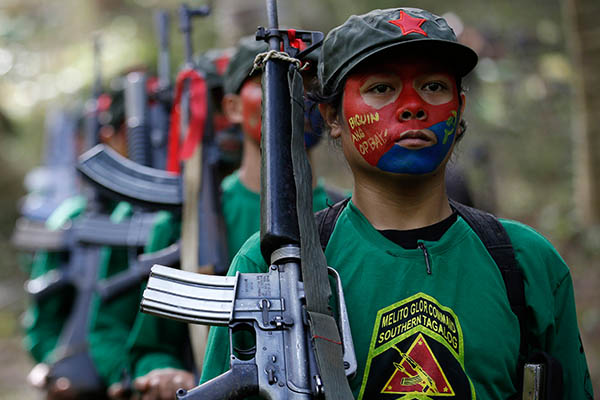
Armed social movements are capitalizing on the economic disaster resulting from the COVID-19 pandemic. This is the case despite the Philippine government’s increased offensives targeting groups, namely the New People’s Army (NPA).

This social turbulence affords both sides an opportunity to win over the masses. However, with opportunity comes unprecedented risk of further distancing the population from either the resistance or the government depending on the efficacy of either campaign.

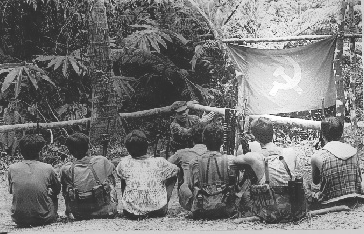
Propaganda Photo from 1986. Image courtesy of The Hartford.

Sustainability of the NPA.

The Communist Party of the Philippines (CPP) NPA is among the world’s oldest insurgencies that has recently surpassed its 50th anniversary. When examining such a persistent resistance to governance, one would logically presume that there exists a significant flaw in governance or that the NPA’s campaigns are extraordinarily effective, or that both may be the case.

The question posed here is how has this insurgency lasted so incredibly long? A thorough understanding of the organization is a suitable starting point, however, the key area of discussion should be focused on the state of the Republic.

Image Courtesy of ruelfoundation.com

The NPA Movement

According to a threat assessment conducted by the Rand Corp, “The CPP-NPA’s principal objective is to replace the current economic and political order in the Philippines with a socialist system.” The furtherance of this objective is exclusively dependent upon a social system writhed with inequities impacting a vast majority of the population.

As such, the NPA typically thrives in ungoverned portions of the country where governance is difficult and therefore relatively ineffective. The resulting consensus in these areas is that the government is solely focused on the welfare of those living in key population centers. This results in any effort of governance appearing to be an occupation of sorts, rather than a persistent effort to provide security, safety and welfare to those living in rural parts of the country.

Elements of the NPA political/propaganda arm take these opportunities to field grievances of the disenfranchised population that are typically well in line with the principal objective of toppling the status-quo – typically blamed for the collective plight of the impoverished. Adding fuel to the fire is the strong prevalence of public corruption and astonishing levels of income inequality.

All things considered, it is no wonder how such a small, armed, resistance has lasted so long in the face of a vastly superior conventional military force.

The Environment

Social inequities are the life-blood of the NPA’s resistance movement. As mentioned prior, without such disparities in the qualities of life from person to person, the NPA would be liquidated in a matter of a year.

However, as mentioned in Beautiful Disaster 05/18/2021 there exists a destructive state of socio-economics that is fostering a growing sentiment of dissatisfaction namely among a younger, more educated demographic of Philippine citizens. With the dawn of the internet, more and more tech-savvy young Filipinos are becoming exposed to views that are critical of how Philippine society works.

A great example is a large swath of micro-influencers who point out that the country’s elite appear to be able to travel and move freely despite very stringent quarantine measures instituted by the government. These aren’t efforts even remotely executed by the CPP-NPA. Rather, this is merely objective observations by seemingly “normal” citizens who are experiencing pandemic fatigue.

Therein lies the critical center of gravity that the Government of the Philippines MUST focus on in order to counter revolutionaries. The only way to win over the hearts and minds of the majority of Filipinos who are indifferent to either the NPA or the government is to address these social inequities.

Government forces have engaged NPA rebels in highly successful military campaigns that, by the numbers, represent significant victories. However, closer to home, in the living rooms and in internet forums, the government is losing the fight over hearts and minds.

A calculated assessment that utilizes basic arithmetic will provide an accurate prediction of how open warfare with the NPA will conclude, the victors being unequivocally the Armed Forces of the Philippines. However, in the counter-insurgency it appears the government is not executing a robust, effective campaign that counters the NPA narrative.

The Solution

Image courtesy of the Philippine Star.

The Philippine National Police Special Action Force (PNP-SAF) has long since been considered the mortal enemy of the NPA. Of all military and paramilitary organizations, the SAF has registered the most, by far, combat engagements with the NPA. Perhaps this explains the modern and textbook approach to counter-insurgency.

Outreach conducted by the SAF appears to target the most impoverished regions of rural Philippines. These outreach activities vastly outnumber military offensives against the NPA, which speaks to the strategic focus of the PNP.

Further, these activities are consistent with the SAF’s reputation as a legitimate and trustworthy government agency. Such outreach amounts to public education, infrastructure building, and humanitarian assistance. This COIN campaign activities are punctuated with skirmishes and gunfights with the NPA. However, the civil outreach dominates media releases as opposed to body counts and casualty reports.

Image courtesy of theconversation.com

Traditional approaches to engaging armed resistance typically relies heavily on a war of attrition. However, as history reminds us, conventional military offenses usually catalyze insurgencies rather than quell them.

In an effort to disarm the NPA, specifically, it is incumbent upon the government to address key vectors of exploitation – the most obvious being the wide income disparity. Else, the government runs the supreme risk of losing the hearts and minds of the population, plunging the country into a bloody internal conflict.

Bangsamoro: A Failed State?

The official Flag of the BARMM. Image courtesy of Bangsamoro.gov.ph

With little more than a year left in the Bangsamoro Transition period, this socio-political experiment appears to require a lot more than what was initially anticipated. Relatively unassuming news articles are popping in and out of the Philippine collective consciousness regarding the fragile state of compromise between the Bangsamoro and Manila.

Its Official: Bangsamoro.gov.ph

Image Courtesy of Bangsamoro.gov.ph the Official website of the Bangsamoro

A quick stroll through the Official BARMM website: https://bangsamoro.gov.ph/ will give readers the impression that a legitimate governing body is well on its way. The website is filled with various public service links, modern professional web design, a list of transitional authorities, links to the Bangsamoro Organic Law, etc. The website is complete with a “.gov.ph” suffix, making things all but official.

However, one glaring pop-up seems to demonstrate a growing sentiment of anxiety regarding the upcoming end of the “Transition” period approaching in June of 2022. When navigating through the BARMM website, a pop-up containing a video frequently makes an appearance. The caption in this pop-up appears to serve as a solicitation of support for the extension of the transition period, outlining reasons why more time is needed.

Cracks in the Glass

broken glass wallpaper
Photo by the happiest face =) on Pexels.com

On May 14, 2021, Benar News reported that Chief Minister Ahod Balawag Ebrahim requested an additional three years (in addition to the three year transition period) to transition into a formal BARMM government. Ebrahim cited difficulty in “controlling” elements of the Bangsamoro Islamic Freedom Fighters (BIFF) and Abu Sayaf.

It appears that parties negotiating on the behalf of the Bangsamoro anticipated wider support from militants than what is currently being demonstrated. BIFF, Abu Sayaf, and the Islamic State continue to conduct attacks against civilians and government forces, proving that an autonomous government “lacks the teeth” required to combat acts of terrorism in Mindanao.

Week after week, government forces are engaging Islamic militants in vicious gunfights resulting in casualties on both sides. Such is hardly a model for an autonomous region approaching “normalcy.”

Manila has remained relatively routine in press responses regarding the attacks. PNP, AFP, and other government spokespersons appear to simply rattle off casualty statistics and government victories over extremism. The Bangsamoro has yet to be held accountable for these incidents, despite being charged with providing security and safety for BARMM constituents.

The patience of Manila is wearing thin, as is evident in harsh warnings issued by President Duterte to BARRM leaders. Duterte declared that if the transitional government is unable to control militant factions in the area, he would conduct large scale military offenses to quell the insurgency.

The Blame Game

Image Courtesy of Rappler.com

Members of the BARMM government cite Manila’s sluggish fulfilment of promises issued to the Bangsamoro in exchange for their participation in the BARMM experiment. A large portion of these promises targeted fighters with relatively large sums of money, resulting in the turn in of weapons and assurances that hostilities will end. A vast majority of such incentives have yet to be paid.

On the other side of the coin, members of Philippine congress questioned BARMM leaders about the inability to deliver upon reforms aimed at disarming BIFF and other militant groups in the region. This “failure” is very evident with the ongoing skirmishes and clashes occurring within the region.

This blame game ultimately results in a stalemate of sorts, while either side blames breaches of contract for the state of the sluggish transition into Bangsamoro normalcy.

As of late, the BARMM has taken to the airwaves, streets, and to any other medium in an effort to gain public support for an extension that is becoming more and more unlikely. This is perhaps an effort to gain as much public support ahead of a potential dissolution of the relatively young status quo.

gold and silver tube on gray textile
Photo by Tima Miroshnichenko on Pexels.com

With June 30, 2022 just around the corner, it is likely that an extension will be required in order to establish a legitimate seat of government within the BARMM. However, it is unclear if Manila would support such a proposition. From the viewpoint of the National government, many chances were afforded to the Bangsamoro to legitimize their political identity.

However, in light of internal splintering and conflicts of interest, the future of the BARMM has been fraught with seemingly insurmountable obstacles. A pronounced failure in the establishment of an autonomous region will prove a centralized model of government to be the most appropriate for any pursuit of normalcy. Both prospects appear to have the same result, a return to perpetual hostilities in the region.

Success or Blunder: An Examination of the Marawi Counterinsurgency Campaign

Photo Credit: Australian Institute of International Affairs.

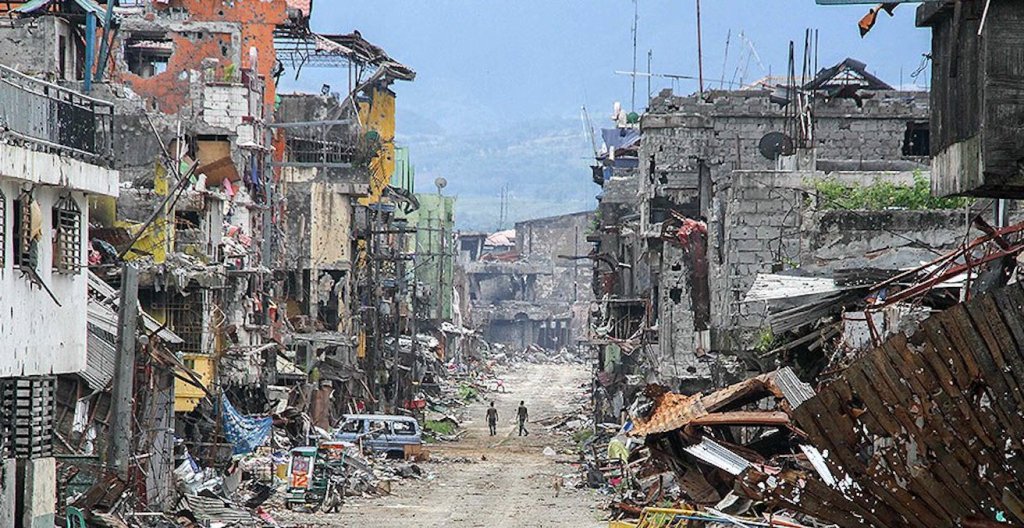
Four years ago, the siege of Marawi placed the barbarism of the Islamic State squarely in the backyard of the United States. As the engagement opened up, Marawi soon turned into the “Fallujah” of the Philippines.

Having long since been extinguished, the “Marawi Problem” appears to have potential for resurgence, and may possibly serve as a text book example of how all phases of counterinsurgency must be addressed in order to be considered a successful campaign.

Hearts and Minds

Photo Credit: http://www.pixnio.com

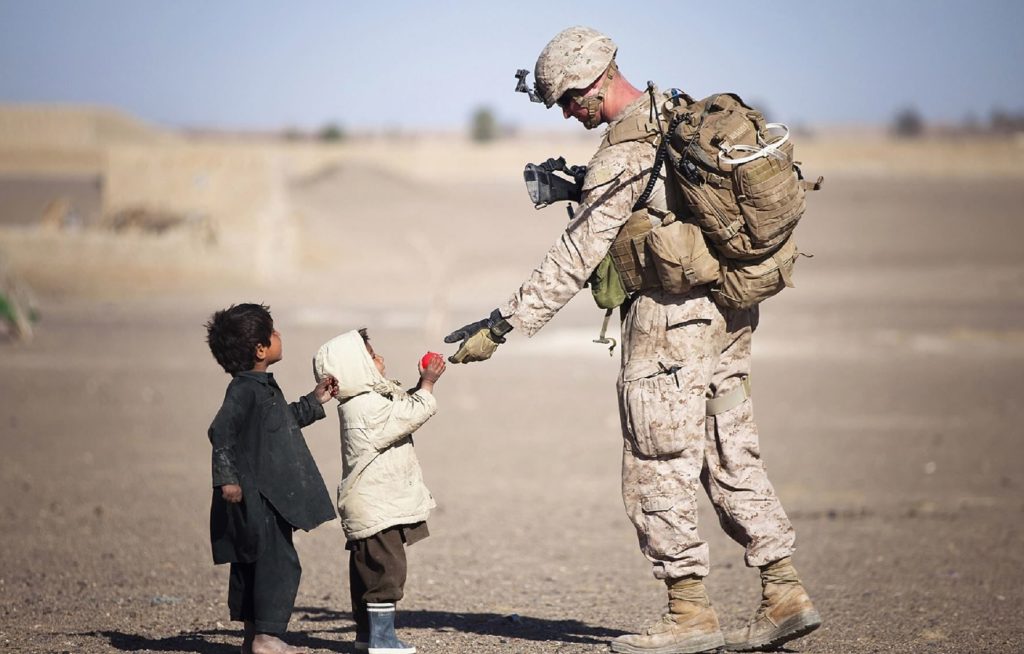
In every insurgency, both the state and the insurgents acknowledge the strategic value affixed to the “Hearts and Minds” of an affected population. As such, a substantial consideration must be applied to the population as a center of gravity when conducting counterinsurgency operations.

The U.S. Army Field Manual – FM 3-24 Counterinsurgency divides the population into three distinct groups, “An Active Minority For the Cause, An Active Minority Against the Cause, and a Neutral or Passive Majority.” A basic course in statistics will demonstrate that the Passive Majority registers as the critical demographic that can mean the difference between success and failure.

While an appropriate poll has never been taken of the citizens of Marawi, it appears that ISIS and its supporters represented a very small minority during the siege. That said, it would be safe to say that a vast majority of Marawi’s citizens rejected the idea of the “new caliphate” despite its vast population of Practicing Muslims.

In hindsight, it appears that this was a strategic oversight on the behalf of the ISIS militants that ultimately resulted in their demise, both tactically and politically. That said, it appears the Islamists are now demonstrating a very clear understanding of the basic dynamics of insurgency.

On May 21, 2021, Benar News reported that a total of 17,000 families remain displaced as a result of hostilities in Marawi. These are likely those who fled the city during the offensive, certainly not representative of the minority in support of the siege. Debriefing of surrendered militants revealed that ISIS is actively recruiting in the rural and impoverished areas surrounding Marawi, likely the terminal for the diaspora of Marawi “refugees.”

The surrendered militants also utilize the government’s “broken promises” to rebuild the city as a fulcrum for an effective recruiting campaign. This success is catalyzed by the ever present sentiment of Muslims that the Government is indifferent to their plight. It is very easy to insinuate that the government’s slow response to rebuilding is due in part to differences between the Muslims and the Catholic Majority of the Philippine population.

Whether true or not, the aforementioned narrative is not hard for a reasonable, disenfranchised, and impoverished person to believe. As such, ISIS appears to be taking a significant interest in this opportunity and is actively capitalizing on it.

A fundamental strategic mistake that tacticians make in light of a tactical counterinsurgency victory, is declaring victory prematurely. Arguably, such is human nature to view conflict in terms of attrition and tactical defeat.

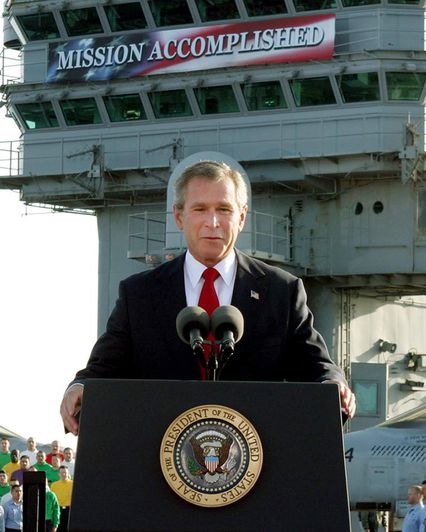
Mission Accomplished?

The United States made this highly publicized declaration mere hours after the fall of Baghdad. As we all know, the fall of Baghdad was only the beginning of a painfully long conflict that claimed countless civilian and military lives. In the end, neither belligerent could reasonably claim victory, with the civilian population holding the highest price paid during the conflict.

Military leaders should consider the tactical victory as the official start of the counterinsurgency campaign. As well read strategists will contend, an effective counterinsurgency is fought with bags of rice, not bullets.

The reality is that open, conventional warfare, while the “last” phase of insurgency, morphs back into phase one or the “insipient” stage, upon its conclusion. This is demonstrative of the cyclic nature of insurgency sans the linear nature of conventional warfare. In “war,” belligerents will claim victory or declare surrender, often brokered into a formal cessation of hostilities. However, this is not the nature of insurgency as is demonstrated time and time again.

Further, in conventional warfare, the adversary consists of combatants, whereas the true enemy is simply an idea. These ideas, weather pro or anti-government live within the collective consciousness of the civilian population. While combatants on both sides are sound in the ideals of their given side, it is the population who can tip the scales towards victory by either side, bringing the losing faction to its knees, begging for a compromise.

It is the goal of the government not to find itself in such a predicament. An effective campaign at this stage of insurgency requires a lot of money and a lot of sustained engagement with the civilian population. In absence of a government led effort, it is the insurgents who fill that void with promises of their own. The only leverage ISIS has at this point is that they have yet been afforded the opportunity to break any promises.

As with any complex insurgencies, the state sustains a substantial loss in blood and treasure in re-establishing order and security in the region. However, counterinsurgency is a topic very heavily examined since the American Revolution.

As such, the wealth of literature and research in the topic presents a very substantial case for ensuring the proper and thorough execution of COIN operations. Failure to do so will turn a short term success into a long term failure as learned by U.S. strategists in what amounts to nothing short of a series of failures of which, the consequences manifested decades after the conclusion of the engagement. It appears Marawi runs the risk of becoming the most current vignette in the counterinsurgency manual.

South China Sea – Peeling Back the Onion: The Chinese Maritime Militia

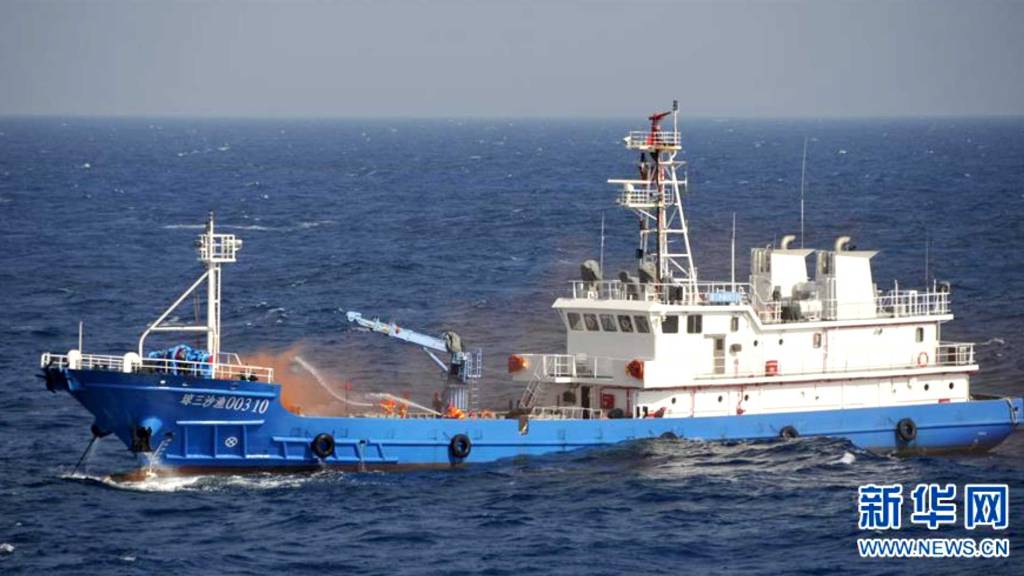
Photo Credit: Xinhua News Service

Over the course of the ongoing dispute over contested maritime interests in the South China Sea, China has continued to portray its vessels as innocent research or fishing boats. However, a wide trove of open source information exists on the Chinese Maritime Militia (CMM) and its purpose. China openly boasts a naval fleet of vessels that fall just shy of warships that projects a broader strategic initiative aimed at staking claim to resources and asserting maritime superiority over those who challenge Chinese interests in the region.

Sansha City – Totally a Legit City in the South China Sea.

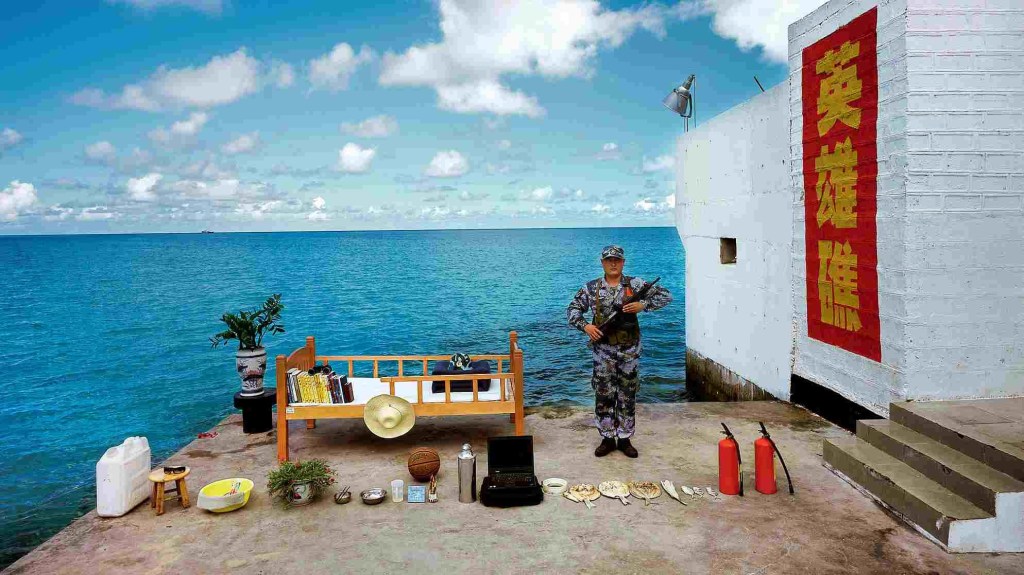
The “Grand Opening” of China’s southern most cinema in the South China Sea. Photo Credit: CGTN.com

In July of 2012, the People’s Republic of China (PRC) christened the country’s largest city… Well, technically its smallest city with a total land mass of 13 square kilometers that affords a total territorial maritime claim of 2 million square kilometers. Situated on “Woody Island,” Sansha City is the beating heart of China’s claim to nearly all landmasses within the South China Sea. Sansha City’s jurisdiction includes all islands, reefs, and seas existing in the confines of the Spratly Islands, Parcel Islands, and Zhongsa Islands. Based on the jurisdictional boundaries established by the PRC, it is absurdly obvious that Sansha City is no tourist destination or epicenter for economic development.

In January of 2021, The US Naval War College, China Maritime Studies Institute, published China Maritime Report Number 12. This report discusses the Strategic importance of establishing a municipality in the contested waters of the South China Sea, and further defines the relatively ambiguous CMM who operate without impunity in the region, asserting dominance over its resources.

The “Velvet Glove”

Establishing a municipality, complete with schools, transportation, and even tourism ministry, allows for the introduction of civilian-administrated law enforcement agencies and coast guards into the region who’s Chinese citizenry certainly require a degree of domestic security. As such, these agencies become the operational arms who assert Chinese claims in the region, contrary to more overt military operations that will likely provoke responses in the like by other claimant countries. That said, these enforcement arms are very heavily fortified by the PLA Navy, who in turn will bolster efforts to defend territorial claims, should the need arise.

The aforementioned strategic policy was coined by the PRC as “Civil Military Fusion.” As such, vessels deployed to contested regions of the South China Sea are far from innocent “coastal research vessels.” Rather, these maritime units constitute a vast fleet designed and purposed for deterring opposing claimants, and responding with force if needed.

Sansha City Fisheries Development Co, Ltd: AKA The Chinese Maritime Militia.

On May 19, 2021, Benar News published an exposé of sorts, that the state-owned civil enterprise, Sansha City Fisheries Development Company, directly manages a garrison of nearly 2000 militiamen who man approximately 100 steel hulled vessels. This statement was provided by direct admission by Sansha Citiy’s PLA Garrison Commander, Cai Xihong.

Coincidentally, these maritime vessels resemble the 287 vessels observed by the Philippine Coast Guard during their on-going stand-off over several landmasses located within the Philippine Exclusive Economic Zone (EEZ).

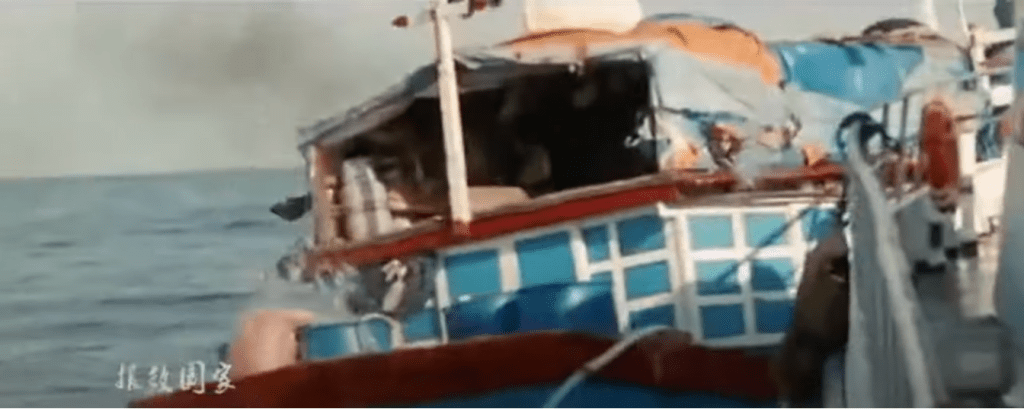
Photo Credit: Political Department of the PLA Hainan Province Sansha Garrison

In what appears to be a PLA propaganda film, elements of Sansha’s CMM appear to be using a steel hulled ship to “ram” a fishing vessel during an exercise. It comes as no surprise why the Philippine Coast Guard is growing quite concerned as they face the daily possibility of a maritime confrontation with the CMM.

Comments: It is likely that the maritime fleet encountered by the Philippine Coast Guard are comprised of elements of the CMM garrisoned out of Sanshan City. This is based upon the sheer size of the fleet requiring a significant amount of ancillary services in order to facilitate a sustained occupation in the region.

It is becoming difficult for the Duterte Administration to downplay such blatant aggression displayed by the PLA Navy during this current dispute. It appears China’s overt provocations are serving to test the will of the Philippine Government, as well as gauge the will of its most loyal ally: The United States.

While the PRC has feigned a mild compromise by removing a negligible number of vessels from contested areas, it appears PRC’s strategic interests at large constitute a long term “territorial defense” policy by rooting itself on contested landmasses and establishing remote provincial extensions.

Given the vast resources and buy-in across all levels of state governance, it does not appear the PRC will ever back-down despite diplomatic grievances voiced by all South China Sea Claimants.