A Beautiful Disaster: Philippine Society on the Fringe

The latest National statistics reveal a negligible decline in COVID-19 cases within recent weeks despite a series of Nation-wide Lock-downs. History shows us that cracks in civilized society become substantially pronounced in the wake of catastrophe.

Informal Caste Systems

Prior to COVID-19, the distinct differentiation between the “haves” and the “have nots” was an unspoken matter of common knowledge within Philippine society. However, due in whole to the COVID-19 pandemic, the very blatant social privilege that accompanies this informal caste system, has become a pill, harder to swallow by a vast majority of the country’s impoverished population.

As recent as March of 2021, the Asian Development Bank Institute (ADBI) conducted a survey of Philippine households representing a diverse demographic. In this survey, 85% of Philippine households experienced a decline in income as a direct result of COVID-19 restrictions. Survey respondents consequentially reports this decline in income has resulted in financial difficulty to the extent they are not able to cover living expenses beyond one month. Coincidentally, ADBI reported in 2014 in a working paper highlighting income inequality in the Philippines, that of the country’s population, 20% earn approximately 56% of the domestic revenue.

The crisis impacting the average Filipino household will substantially increase the gap in income inequality in the Philippines, it really boils down to basic mathematics. With the country’s 85% facing economic hardship, the remaining 15%(presumably wealthiest) will retain its wealth.

Vectors of Income Exclusive to the “Working Class”

The vast majority of the Philippine “Working Class” draw upon one of three of the following vectors of income:

  • Service/Hospitality Industry
  • Overseas Foreign Work (OFW) and Foreign Remittances
  • Informal Employment (No work, No Pay)

COVID-19 has significantly impacted, if not all by destroyed all three aforementioned vectors of income, thereby rendering approximately 85% of the population unable to earn basic income.

  • Stringent travel restrictions set in place, in an exercise in scientifically baseless logic, has decimated the hotel and tourism industry. As such, the demand for associated services (i.e. restaurants, taxi, and concierge) has plummeted, taking this revenue source with it.
  • Similar situations in consumer countries along with a targeted government recall has forced a vast majority of Overseas Foreign Workers to return to the Philippines, effectively eliminating this vector of income.
  • And finally, Community Quarantines and provincial border restrictions have prevented employees from commuting into the National Capitol Region. Industries operating in the financial center of Manila draw upon skilled and unskilled labor sourced by neighboring provinces.

What do all of these vectors of income have in common and how is it relevant to the wealthiest class of Philippine citizens? The answer is easy: The wealthiest Filipino households do not draw from these income streams.

Vectors of income for the wealthy include: Entertainment, Investment Banking, Politics, and import/export. All of the aforementioned have weathered the COVID-19 storm and have earned handsomely. In some cases, these sectors have broken revenue records. While some sectors are not mentioned, cursory analysis will reveal relatively similar observations.

“Traditional distractions are no longer effective”

Image Courtesy of gizmomanila.com and GMA Network

The Philippine entertainment industry has focused heavily on influencing the population into thinking that success and prosperity are within reach. The Nationally Broadcasted “Wowowin” has been a staple in many Filipino households. Host “Kuya” Willie Revillame (an industry conglomerate in his own right) has appealed to the masses with gameshows providing an opportunity to “win big” in outlandish and childish contests of both skill (but mostly) luck.

An objective look at this demonstration will reveal a vulnerable segment of the population, who appear to stop at nothing to win (in most cases the equivalent of $40 US). This is usually accomplished at the expense of personal dignity but by the benevolence of “Kuya Willie” who has so graciously provided this “opportunity” to the disadvantaged. In this example, a “Have” is worshiped as a provider, and a purveyor of dreams. It certainly makes for good tv.

HOWEVER, it appears that with the dawn of social media, and its relative widespread availability to even the poorest of Filipinos, the grip of the entertainment industry appears to be weakening. The result of the aforementioned, are concentrated groups of intellectuals who are educated, emboldened, and empowered by their peers. This growing generational segment of Filipino society is no longer susceptible to the social psychology of (rudimentary) marketing tactics of the Philippine entertainment industry.

What Lies Beneath…

Photo by Vojtech Okenka

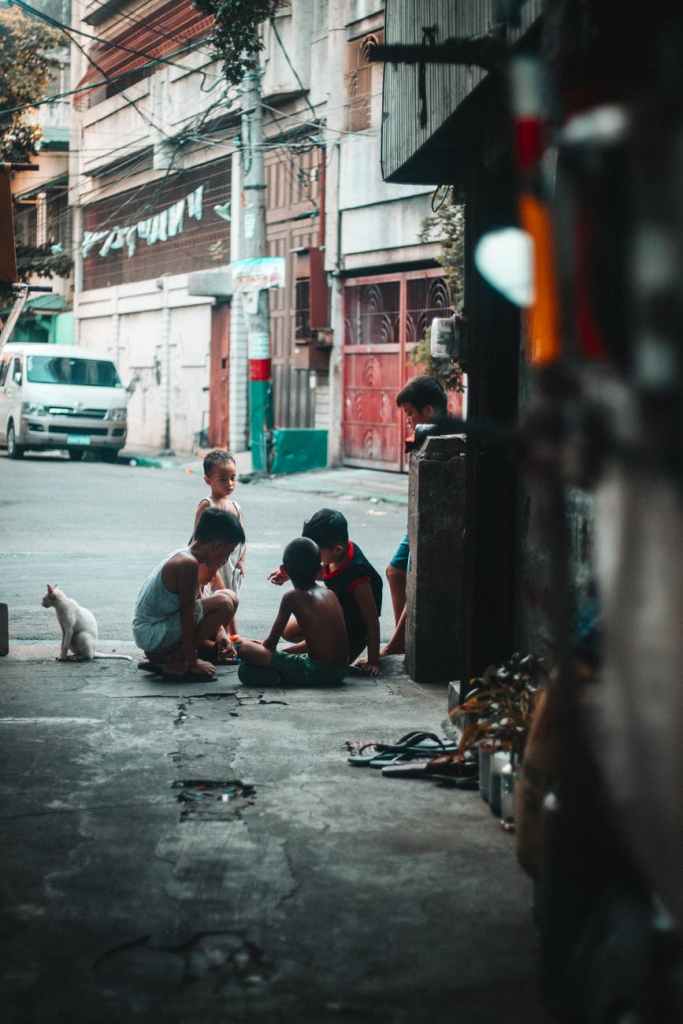
The COVID-19 has taken what has been ignored by the masses for the past 40 years and placed it front and center within the collective consciousness of Philippine society. The aforementioned disparity between the “Haves” and the “Have Nots,” the “Pillaged” and the “Desperate” is nearing the line in the sand whereby the Social framework can no longer maintain a status quo.

It is now common for “Have Nots” to directly address demonstrations of privilege by the 20% who appear to be able to travel freely, unmolested, throughout the Philippines and abroad, with impunity. Vlogs, posts, story updates, and comments reflect a society who no longer finds this disparity appetizing.

Why is this important?

For security industry professionals, it is imperative that an objective measure of social stability is accounted for.

A “pandemic” constitutes a national calamity. Such events will likely render a particular society vulnerable and on the verge of collapse. Key indicators such as those listed above are critical levers for social stability. It is vital that tacticians are cognizant to strategic aspects of a problem as intimately as tactical aspects.

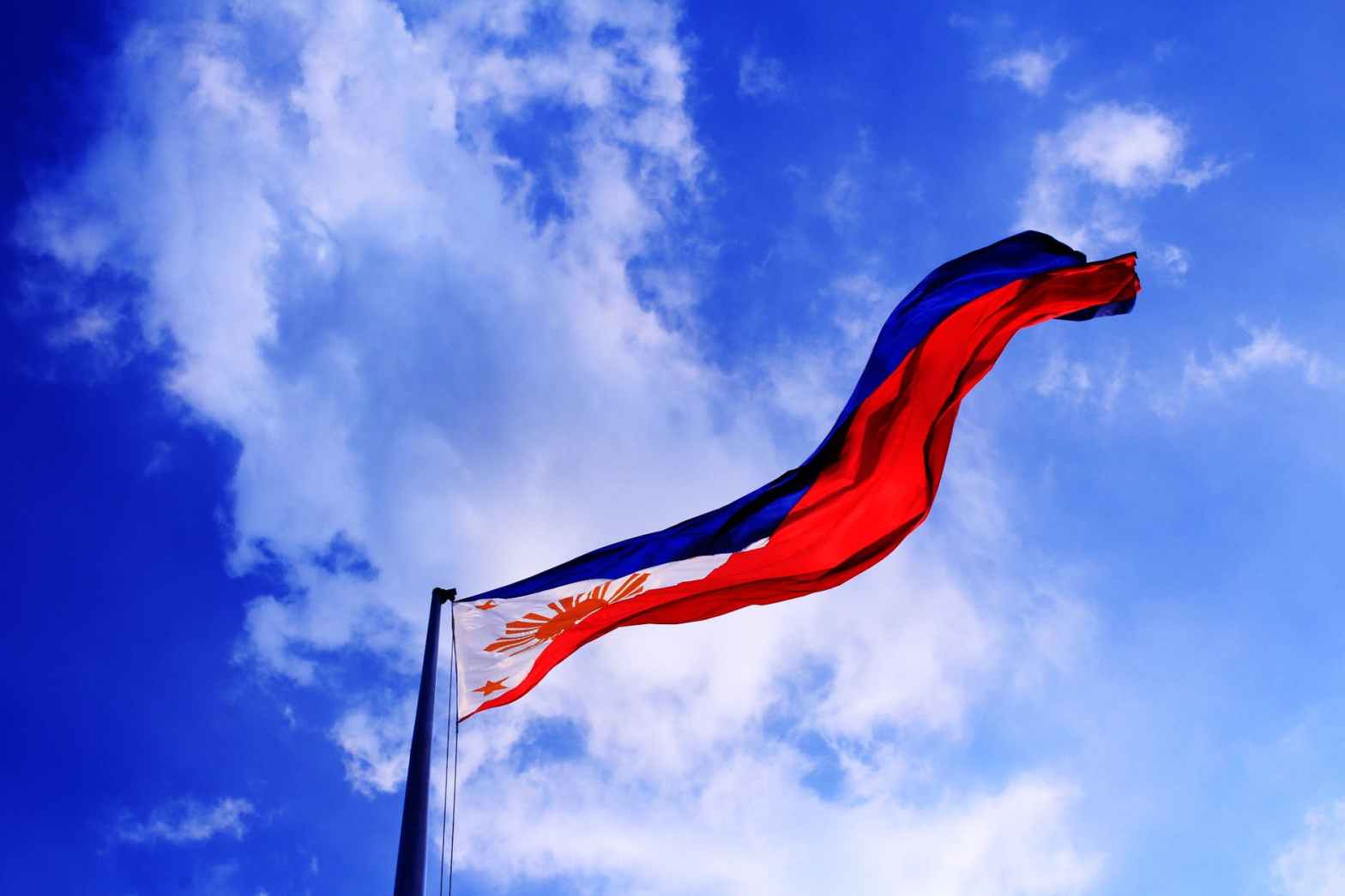
Photo by George Becker

The Child of the Sun

A look into contemporary issues impacting the Philippines.

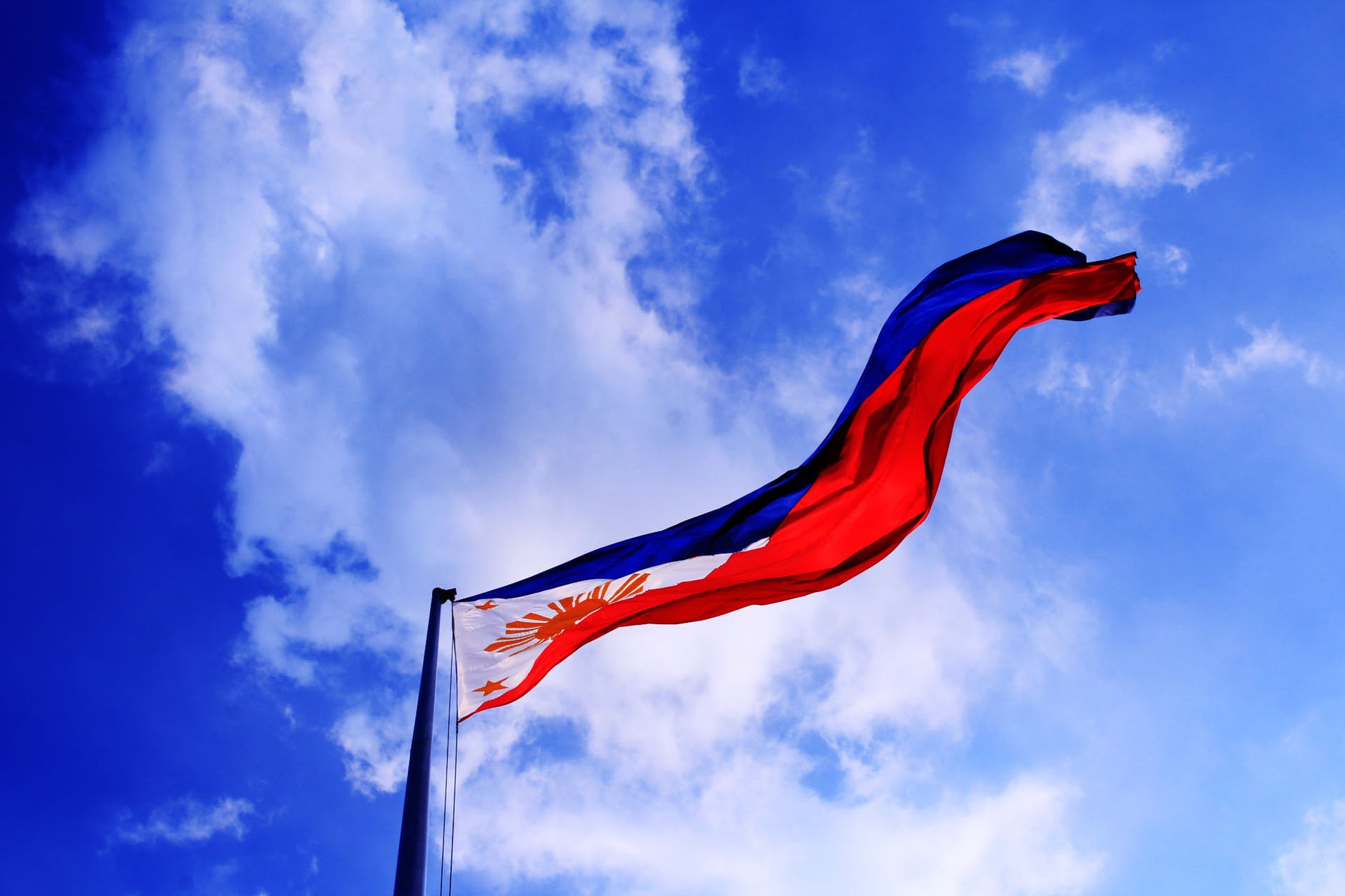
The Philippines has been referred to by its countrymen as “The Child of the Sun.” It appears that a recurring theme amongst countries in this region incorporate the sun into their flags, mottos, and folklore. Whereas Japan is known as the “Land of the Rising Sun” and Korea as the “Land of the Morning Calm,” it lends to the importance of the rise of a “New Day” to the people who live in this region.

The Philippines, in particular, exudes a very optimistic attitude amongst the vast majority of its inhabitants. Many of these “Children of the Sun” endure some of the most impoverished and disadvantaged economies in the region. However, despite dismal standards of living and limited exposure to global opportunities, the People of the Philippines, without fail, continue to persevere in pursuit of their own versions of happiness.

Photo by Rica

An examination of regional security matters pertaining to the Philippine Archipelago must begin with a socio-economic appraisal and an in depth analysis of the collective cognizance of the republic. Such analysis is a daunting and seemingly impossible task due to a seemingly infinite diversity that spans geography, ethnicity, language, and most obvious – Economics. All of the aforementioned, shape and define a people whose national identity is often and intrinsically called into question.

Analysis of the Human Terrain is likely the most prudent and more fruitful endeavor when identifying the root causes of regional instability. Defining the social landscape of the Philippines, while nearly as impossible as assigning a national identity, is often compartmentalized by region. As such, each region seemingly represents its own independent segment of Philippine society. A very good example of this is evident in the southern most portions of the Archipelago, whose vast majority of inhabitants consider themselves independent of the central government. Contrary to popular belief, this self-perceived autonomy is not exclusive to the “Moro” of the south. Analysis will reveal that this atmospheric exists across the country (in different forms) and is a symptom of systemic problem.

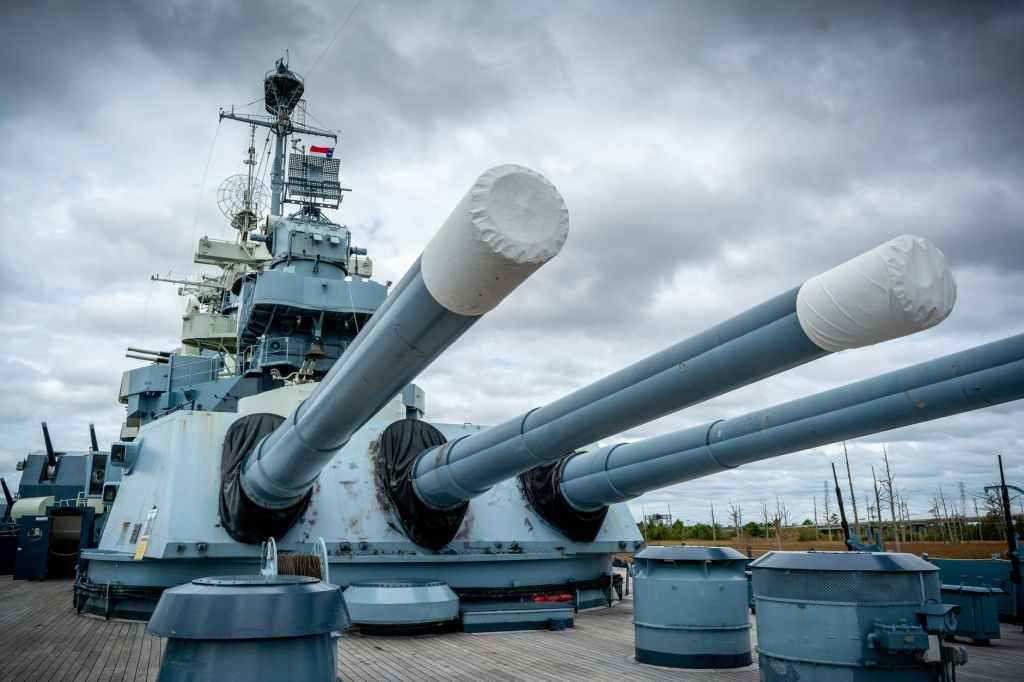
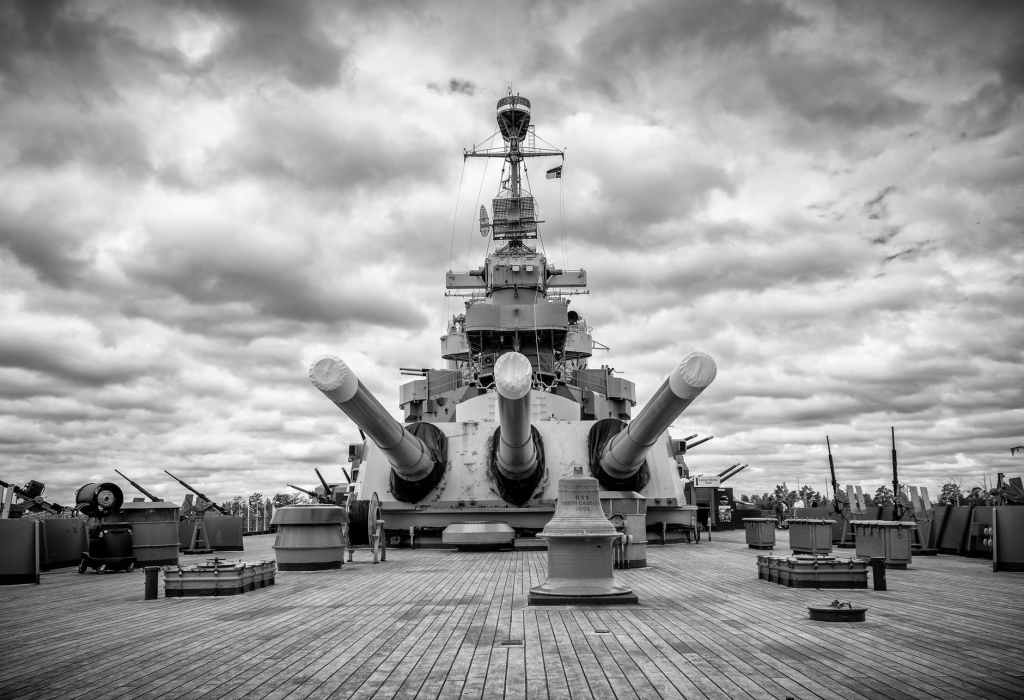
There are three key trans-regional levers of regional security that exist in the Philippines, all of which are tied in some way shape or form to the homogeny (or lack thereof) of members of Philippine society. These levers are: The South China Sea, Radical Islamism, and Anti-Government Movements (notably communist).

Photo by Joseph Fuller

These three security levers are issues that are seemingly unrelated and do not appear to be of any consequence to each other. However, it appears that all three issues occurring within the confines of one country, and are indicative of a country that is in a perpetual state of near crisis.

Countries who typically enjoy a large percentage of a population with a clearly defined national identity often do not experience instances of being on the verge of social collapse. A glaring example a country in crisis is that of American society and its contemporary struggle with public unrest and racial divides. A once prosperous and enigmatically powerful country is now struggling with holding together a very fragile social fabric that, at any moment, can tear and result in an inevitable collapse. Only in a country in this current state, will insurgency and global bullying take place at the hands of interested internal and external actors. The likes of such turmoil is currently being experienced by the United States for the first time in its history.

This Blog does not intend to focus on fixing the region’s problems. Rather, it exists to raise cognizance of the state and condition of the Philippines and identify key indicators that will signal impending instability. This is a measure of predictive analysis that focuses on the aforementioned issues to prepare readers for crisis, and develop mitigation strategies that will ensure safety and minimize disruption to operations.

Philippine President Raises Stakes in the South China Sea

May 17, 2021

The Daily Express reports on May 15,2021, that the Philippines increased maritime presence in the contested waters of the South China Sea. In recent months, the People’s Republic of China established what is internationally viewed as a “provocative” presence in contested areas of the Philippine Exclusive Economic Zone (EEZ).

To date, Philippine President Rodrigo Duterte has appeared relatively indifferent to China’s aggressive surge in the region. However, in a televised address, President Duterte issued a stern message to the Chinese government: “We will not move an inch.”

In April of 2021, the Philippine military held exercises in the region, likely a measure to register a “show of force” to any perceived threats to the sovereignty of the EEZ. In response, the Chinese government issued an order to the President demanding a stop to such exercises that the Chinese deemed “actions complicating the situation and escalating disputes.”

The latest response by President Duterte constitutes a salvo of warnings and assertions demonstrating the resolve of the Philippine government in the face of Chinese aggression and dismissive rhetoric.

Comment: Historically, an expanded Chinese maritime presence in the region was a preamble to the seizure of a contested land mass. This increased presence will likely remain until the landmass is successfully occupied and later developed into a remote military installation.

However, it appears that both sides of this specific dispute don’t appear to be backing down (with the exception of the PRC removing some, not all, maritime vessels in the area). This could be in part due to a U.S. demonstration of force by four F-16’s armed with what appeared to be air-to-air missiles.

In a seemingly unrelated move, China has also increased aggressive military exercises directed squarely against Taiwan in an unprecedented scale. A wide variety of experts suspect China is attempting to secure areas rich in natural resources. However, based on the timing and degree of aggression waged against the Philippines, it appears China may be attempting to secure strategic locations that may prove valuable in a possible cross-strait incursion.

Tensions in the South China Sea will likely deescalate as the stand-off gains international attention. However, tactical commanders appear to show signs of fatigue which may lead to misunderstandings and knee-jerk reactions that may lead to maritime hostilities.